Start with the questions that change how the subject looks.
01
Honey and cough
Evidence supports limited cough relief for people over one year old. Honey is unsafe for infants under 12 months.
02
Ginger for comfort
Ginger is commonly used for nausea and warm drinks, but concentrated products can interact with medicines.
03
Saline nasal rinsing
Only distilled, sterile or previously boiled and cooled water should enter a nasal-rinsing device.
04
Turmeric in food
Culinary use differs from high-dose extracts, which may carry interaction and liver risks.
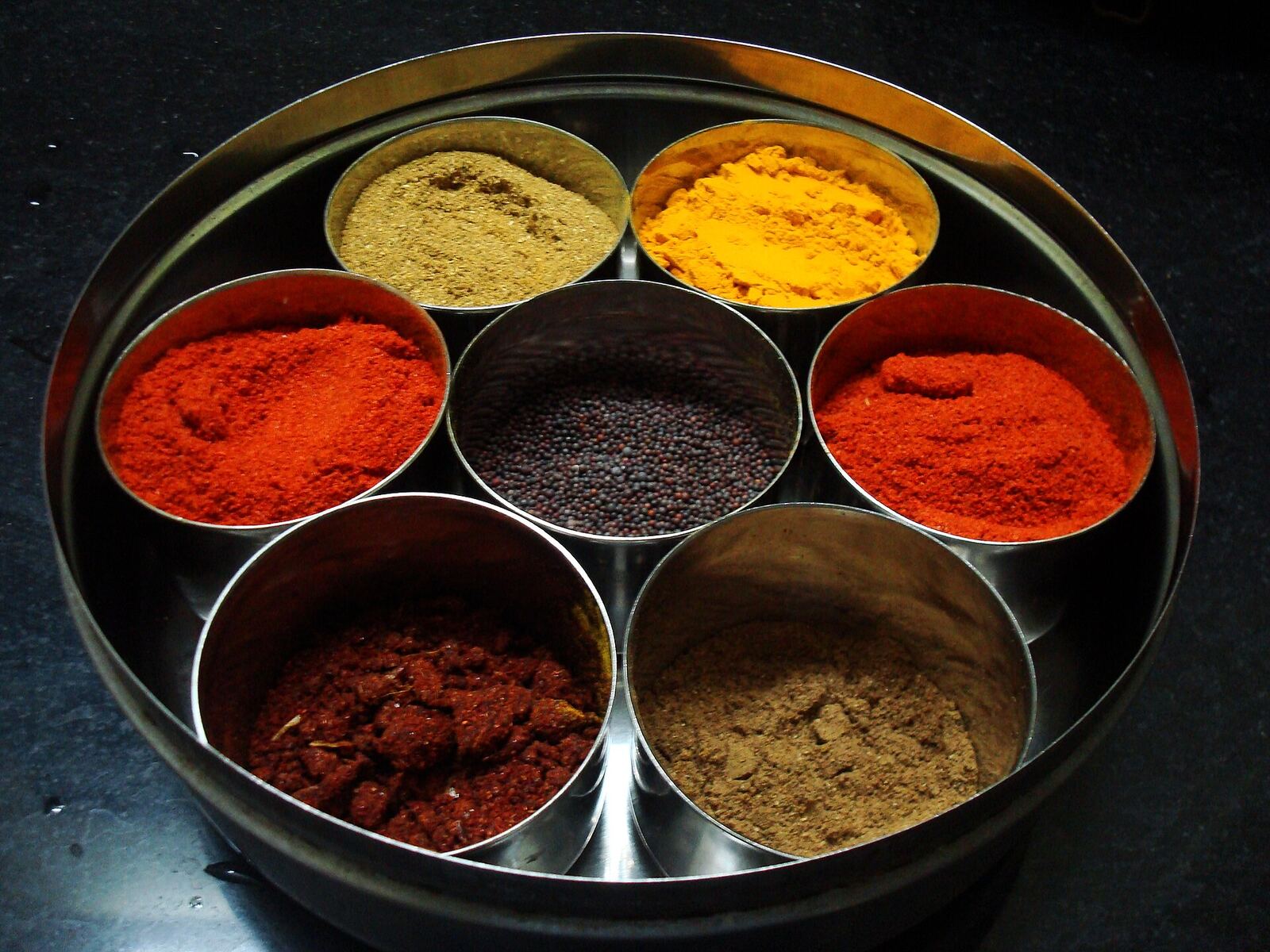
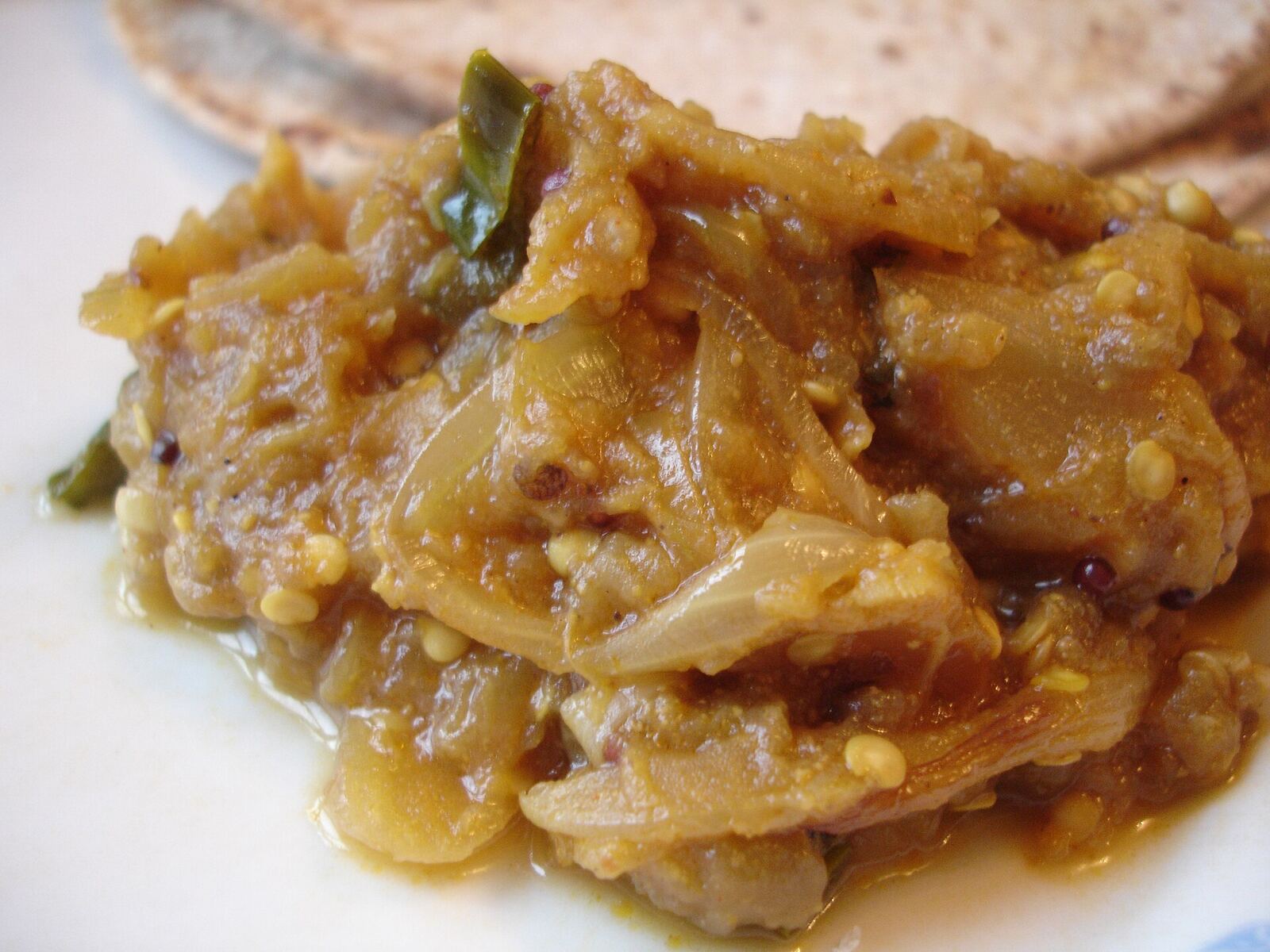
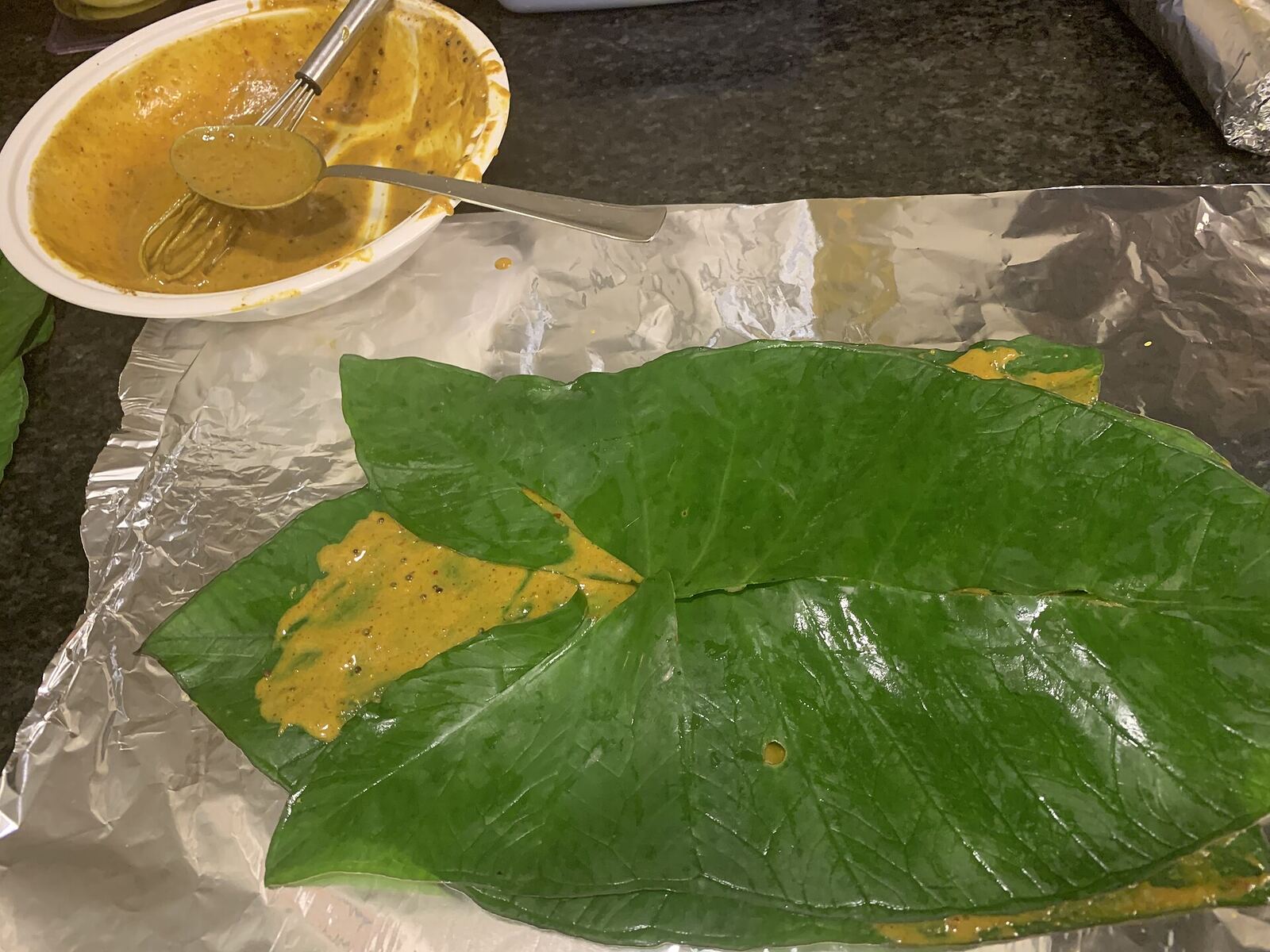
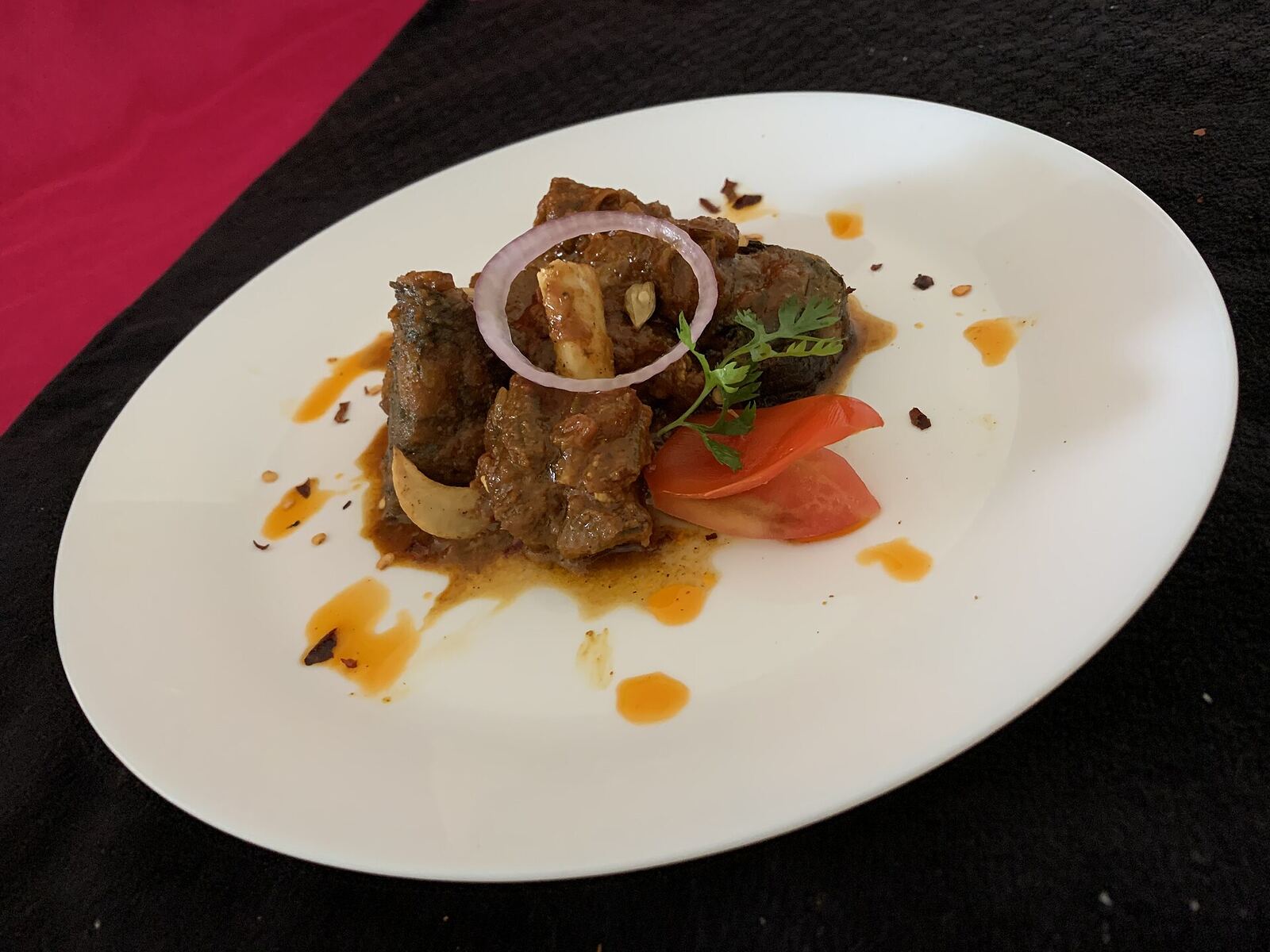
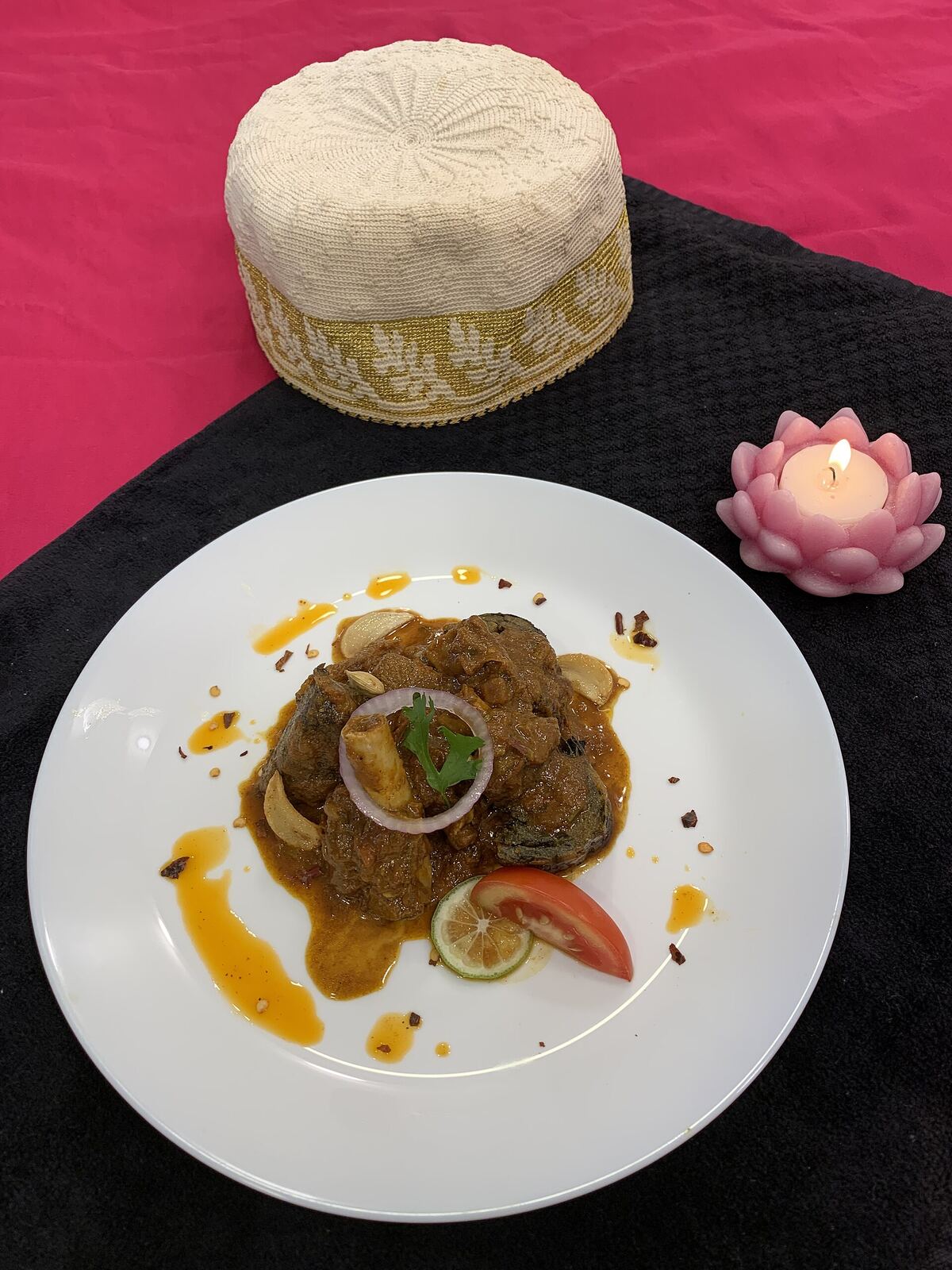
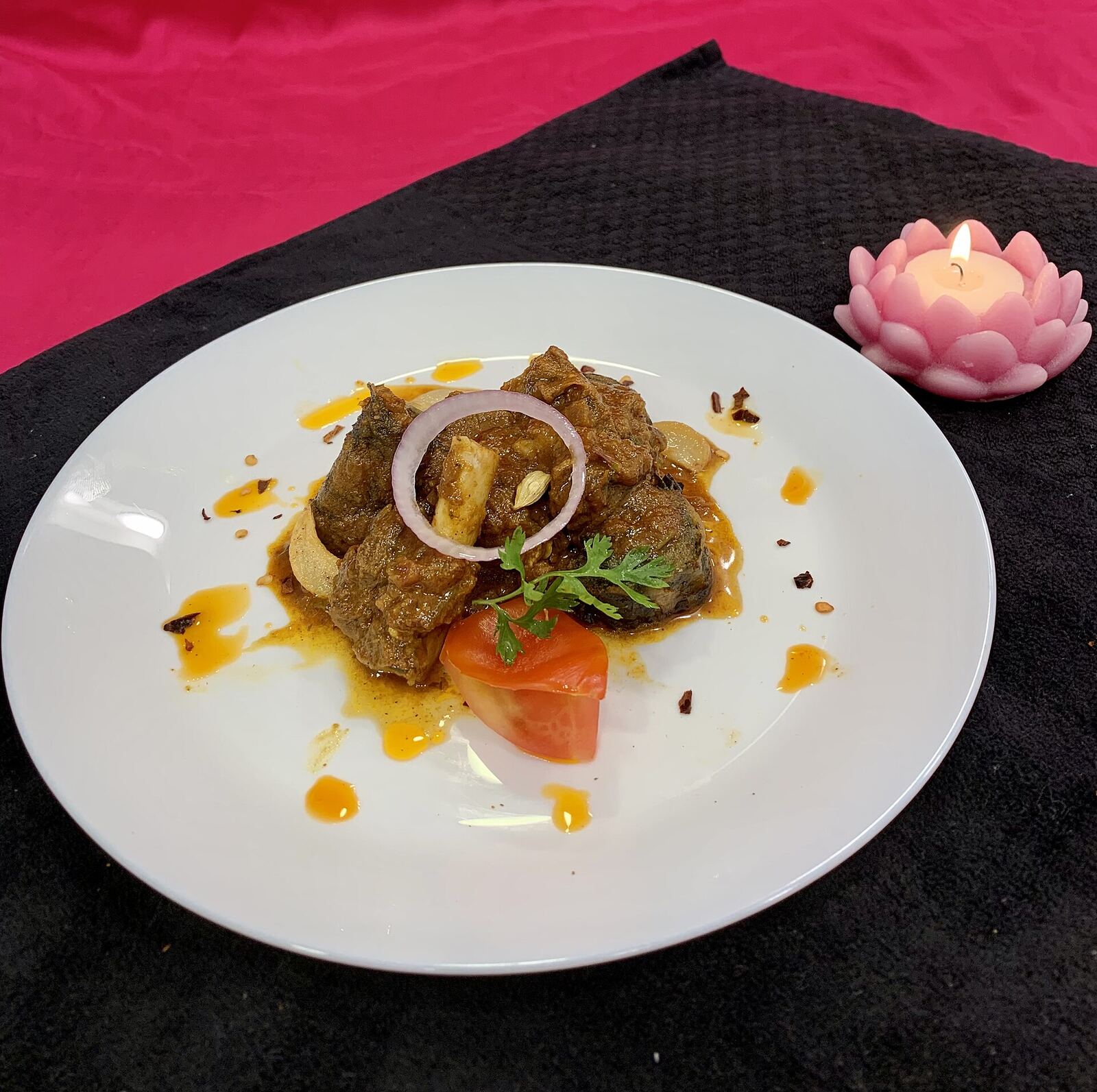
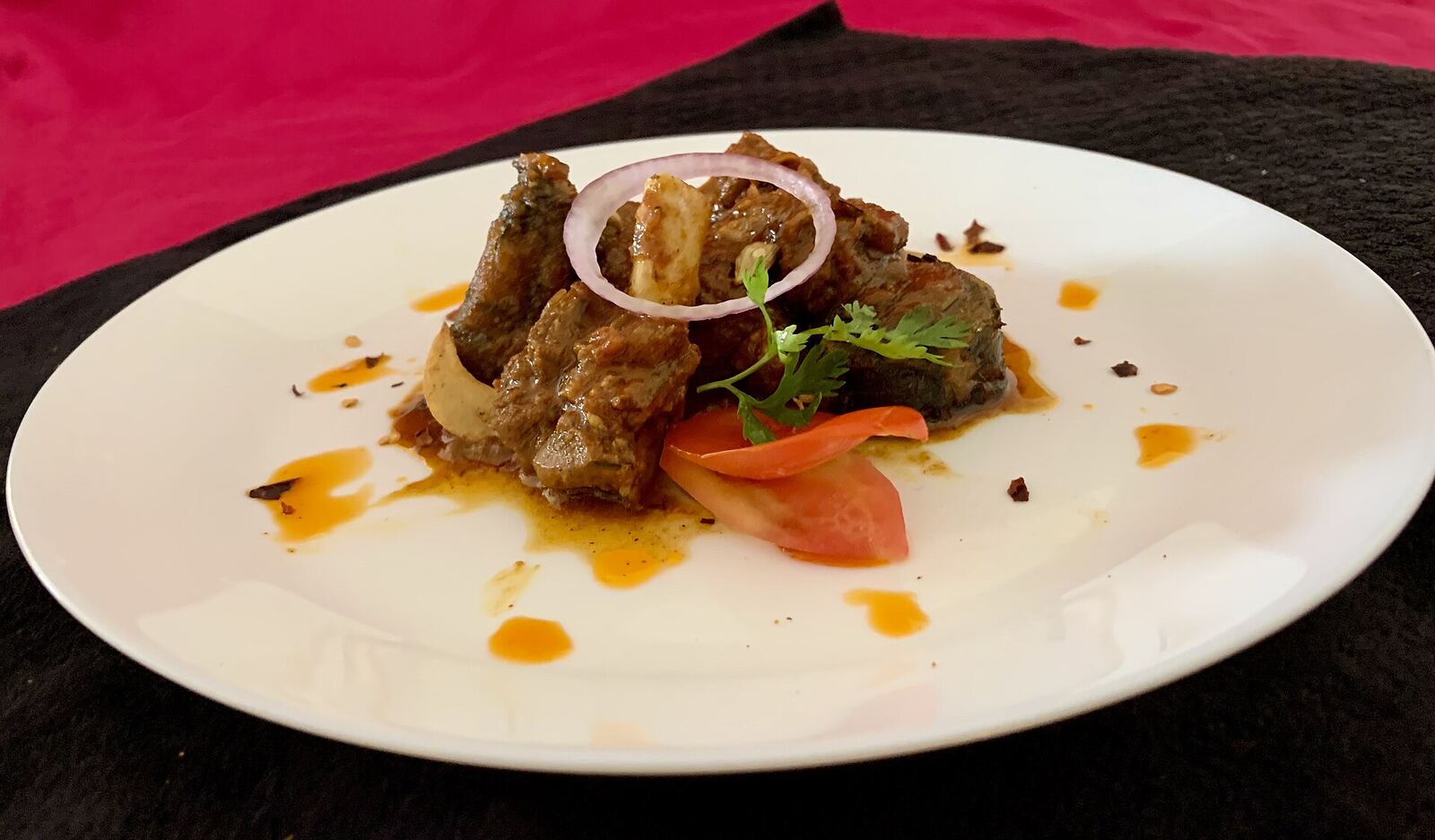
View the complete journal →This simple dish is very popular across India. I used the recipe <a href=" http://allrecipes.com/Recipe/Baingan-Bharta-Eggplant-Curry/Detail.aspx " rel="noreferrer nofollow">here</a> With a few variations: Take 3 medium size (long purple) aubergines. Wash and dry with a kitchen towel. Coat them with vegetable oil and make 4-5 lengthwise skin deep cuts on each aubergine. This makes it easy to remove the skin after it is baked. <a href=" https://www.flickr.com/photos/rovingi/753308978/in/photostream/ ">see</a> Place in a pre-heated oven for 40 minutes at 200 deg C until they become soft. When the baked aubergines are cool enough, peel off the skin by hand and remove the stalk. Mash the flesh of the aubergine coarsely with a potato masher or a spoon. <a href=" https://www.flickr.com/photos/rovingi/752454471/in/photostream/ ">see</a> Heat 4 tbsp of oil in a thick bottomed vessel. Flavour the oil with cumin & mustard seeds, 1/2 tsp turmeric powder, a pinch of asafotedia and 3 chopped green chilies. Add one medium sized finely sliced onion and fry on medium heat until translucent. Add finely chopped ginger and garlic and fry for 2 min. Add 1 tsp chili powder, 1 tbsp garam masala (curry powder), 1 tbsp Sambar powder and fry for 2 min. Add 1/2 cup stirred plain yogurt and mix well. Fry & mix until the sauce regains it's colour. Add the mashed baked aubergine & salt and mix. Cook on low heat for 30 min. Serve with chapati. The traditional way of making this dish is by roasting the aubergines over an open flame (of a gas hob) instead of baking it. This gives it a wonderful smoked flavour that is really the signature of this dish. But it's always easier to bake it in an oven.Patrel1 – Fresh Colocasia leaves stacked with gram flour paste between the layers. Picture taken in the kitchen.Ready dish Patvelia portioned on two different plates and photos taken from different angles, with variety of presentationsReady dish Patvelia portioned on two different plates and photos taken from different angles, with variety of presentationsReady dish Patvelia portioned on two different plates and photos taken from different angles, with variety of presentationsReady dish Patvelia portioned on two different plates and photos taken from different angles, with variety of presentations
Editorial approach
Context before certainty.
Every entry identifies what is known, what is interpretation and where evidence remains incomplete. Complex experiences are not compressed into slogans for easy sharing.
The visual archive is locally preserved and credited. Images support the subject rather than treating people, belief or pain as decoration.